 InjectKit
Safe self-injection: A complete beginner's guide
Self-injection can be a daunting prospect for many, but with the right knowledge and tools, it can become a routine and manageable part of your health regimen. This comprehensive guide from InjectKit is designed to empower beginners with the confidence and understanding needed for safe and effective self-injection.
Remember, this guide is for informational purposes only and should complement, not replace, advice from your healthcare provider. Always follow your doctor's specific instructions for your medication and technique.
Before you begin
Preparation is key to minimizing risks and ensuring a smooth injection process. A clean environment and a calm mind are your best allies.
- Consult your doctor: Always ensure you have received proper training from a healthcare professional for your specific medication and injection type (e.g., subcutaneous, intramuscular).
- Gather supplies: Have all necessary items within reach before you start.
- Wash hands thoroughly: Use soap and warm water, scrubbing for at least 20 seconds.
- Choose a clean, well-lit area: A table or counter in a quiet room works best. Avoid bathrooms if possible due to higher bacterial counts.
Preparing your supplies
InjectKit provides high-quality, sterile supplies to make your self-injection process as safe as possible. Here’s what you'll typically need:
- Your prescribed medication (e.g., in a vial or pre-filled syringe)
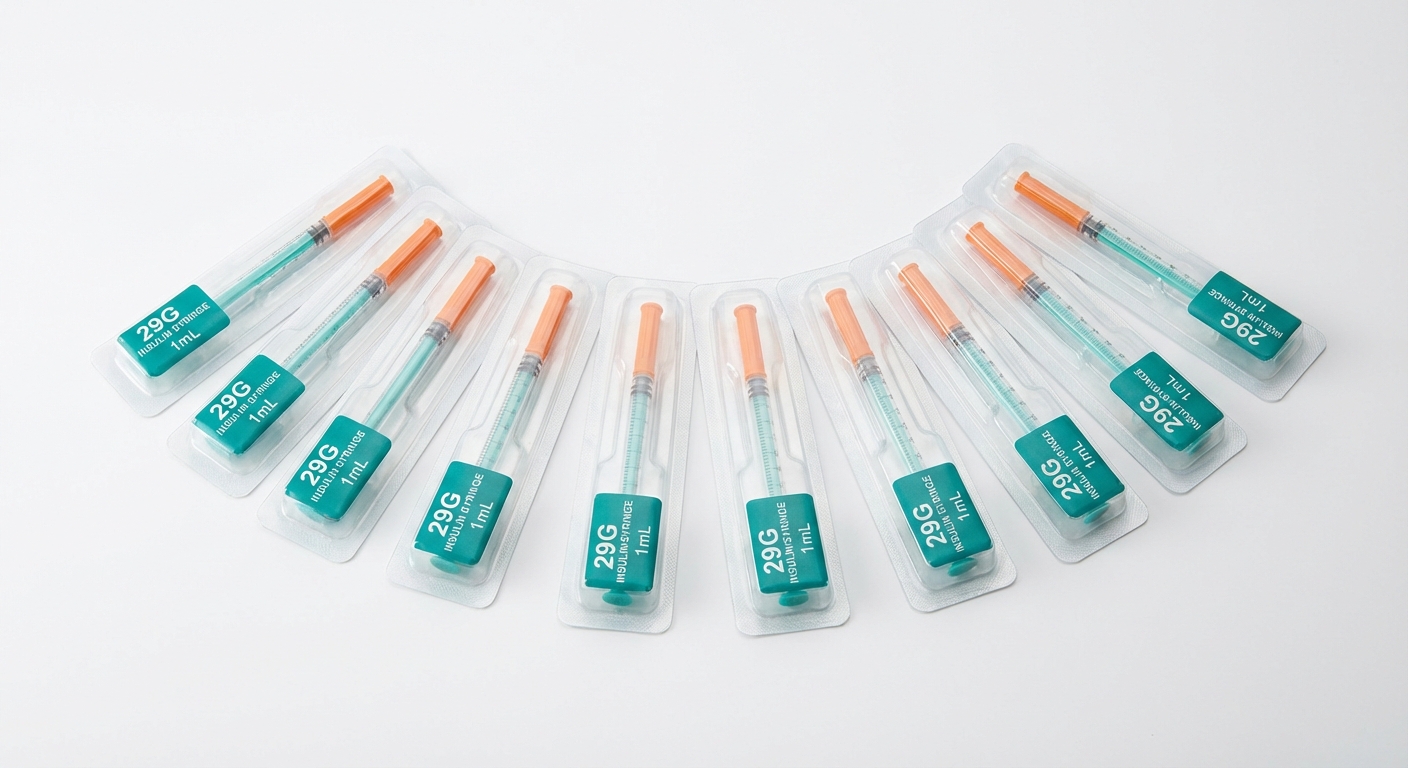
- InjectKit syringe(s) and needle(s) of the correct size
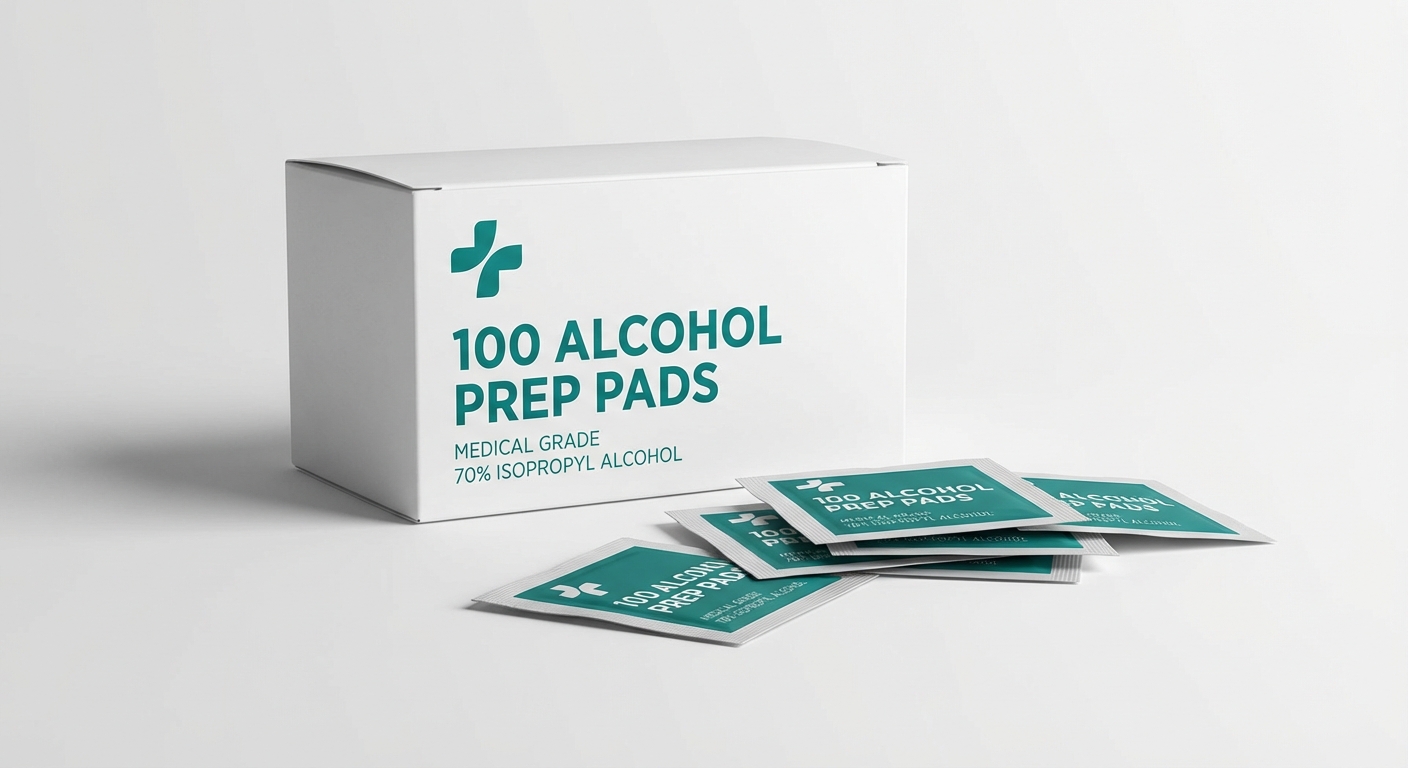
- Alcohol wipes (provided in InjectKit)
- Cotton balls or gauze
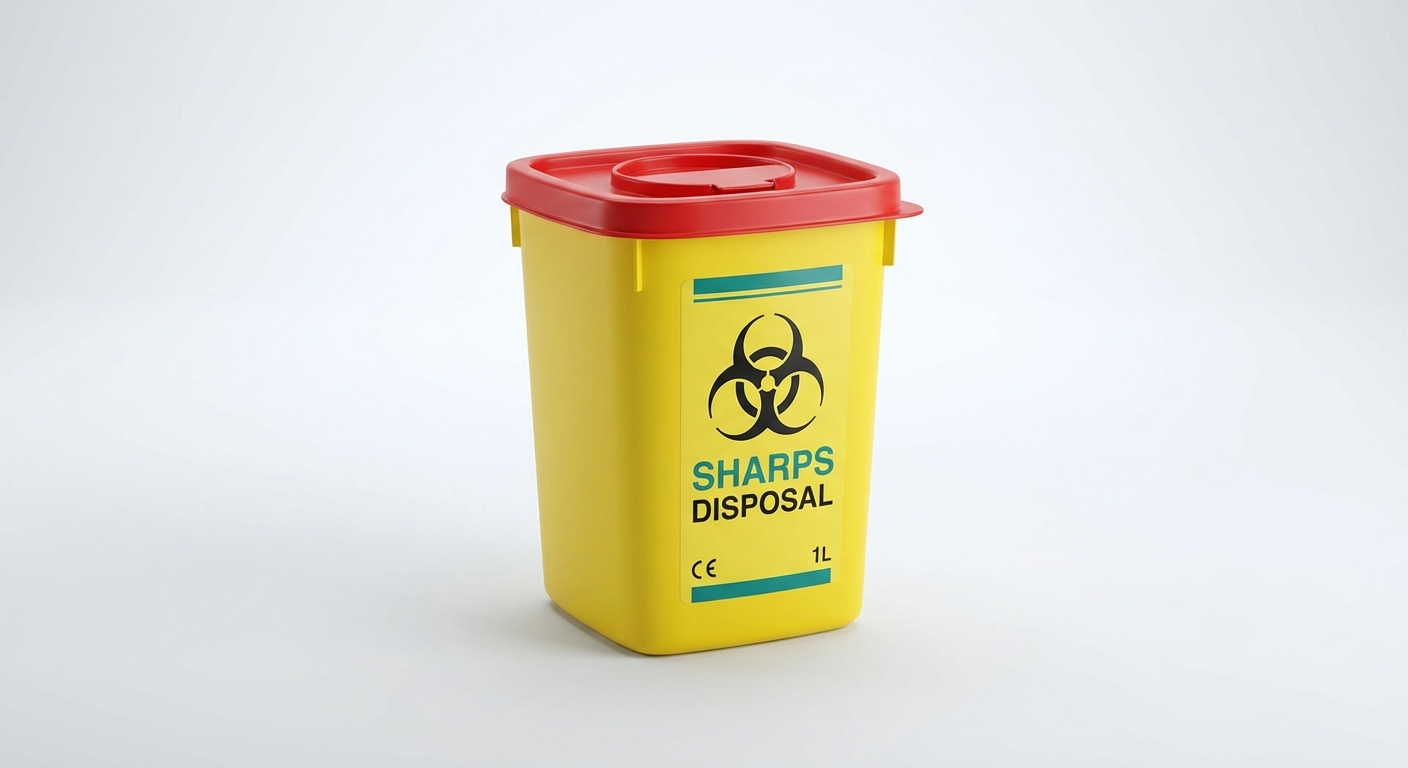
- A sharps disposal container (provided in InjectKit)
- Band-aid (optional)
Step-by-step injection technique
While specific techniques may vary based on your medication and injection type, the general principles of hygiene and precision remain constant.
1. Inspect and prepare medication
- Check medication: Verify it's the correct medication, dose, and that it's not expired. Look for discoloration or particles if applicable.
- Clean vial top: If using a vial, wipe the rubber stopper with an alcohol wipe and let it air dry completely.
- Draw medication: Follow your doctor's instructions precisely for drawing medication into the syringe, ensuring no air bubbles are present.
2. Prepare the injection site
- Choose site: Select the appropriate injection site as instructed by your doctor (e.g., abdomen, thigh, upper arm). Rotate sites with each injection to prevent tissue damage.
- Clean skin: Clean the chosen site with a fresh alcohol wipe, moving in a circular motion from the center outwards. Allow the alcohol to air dry completely. Do not fan or blow on it.
3. Administer the injection
- Position needle: Uncap the needle. For subcutaneous injections, pinch a fold of skin. For intramuscular, stretch the skin taut. Hold the syringe like a dart.
- Insert needle: Quickly insert the needle at the angle recommended by your doctor (e.g., 45-90 degrees for subcutaneous, 90 degrees for intramuscular).
- Inject medication: Slowly and steadily push the plunger until all medication is injected.
- Withdraw needle: Withdraw the needle quickly at the same angle it was inserted.
4. Dispose of sharps
- Do NOT recap: Never recap a used needle to prevent accidental needle sticks.
- Immediate disposal: Immediately place the used syringe and needle into your InjectKit sharps disposal container.
- Secure container: Once full, seal the sharps container and dispose of it according to local regulations (often through pharmacies or hazardous waste facilities).
After injection care
Once the injection is complete, gently press a cotton ball or gauze over the site for a few seconds. Do not rub the area vigorously. If needed, apply a small band-aid. Monitor the site for any unusual reactions like excessive redness, swelling, or pain.
When to seek medical advice
While self-injection is generally safe, it's crucial to know when to contact a healthcare professional. Seek immediate medical attention if you experience any of the following:
- Severe pain, swelling, or redness at the injection site that worsens
- Signs of infection, such as pus, warmth, or fever
- Allergic reactions (rash, itching, difficulty breathing, dizziness)
- Bleeding that doesn't stop after several minutes of pressure
- Numbness or tingling near the injection site
- Any concerns about the medication's effect or side effects